The Problem No Travel Manager Wants to Face Mid-Assignment
Your team is two weeks into a three-month project. The preferred hotel rate has been used up — either the contracted nights are exhausted, the property is fully booked, or nightly costs have spiked beyond what your travel policy allows. Whatever the trigger, the result is the same: you need an immediate, compliant, cost-effective alternative for employees who still have weeks or months of work ahead of them.
This is one of the most common inflection points where HR managers and procurement officers turn to corporate housing. It is not a fallback. For assignments beyond a few weeks, it is almost always the better option from the start.
Why Hotel Contracts Have a Ceiling — and What Happens When You Hit It
Most corporate hotel programmes are designed for short-term, high-rotation travel. Rate agreements with hotel chains typically cap the number of nights per property, per quarter, or per rate category. When volumes exceed those caps, the negotiated rate lapses and rates revert to dynamic pricing — often significantly higher.
At the same time, hotels are not designed for people living in them. A team staying for eight or twelve weeks will face mounting costs from laundry, restaurant meals, and incidental charges that accumulate well beyond the nightly room rate. There is also the human factor: employees working long assignments in hotel rooms experience fatigue, reduced productivity, and lower morale compared to those housed in properly equipped apartments.
When the hotel contract ceiling is reached, the question is not whether to find an alternative — it is how quickly you can deploy one.
What Corporate Housing Offers That Hotels Cannot
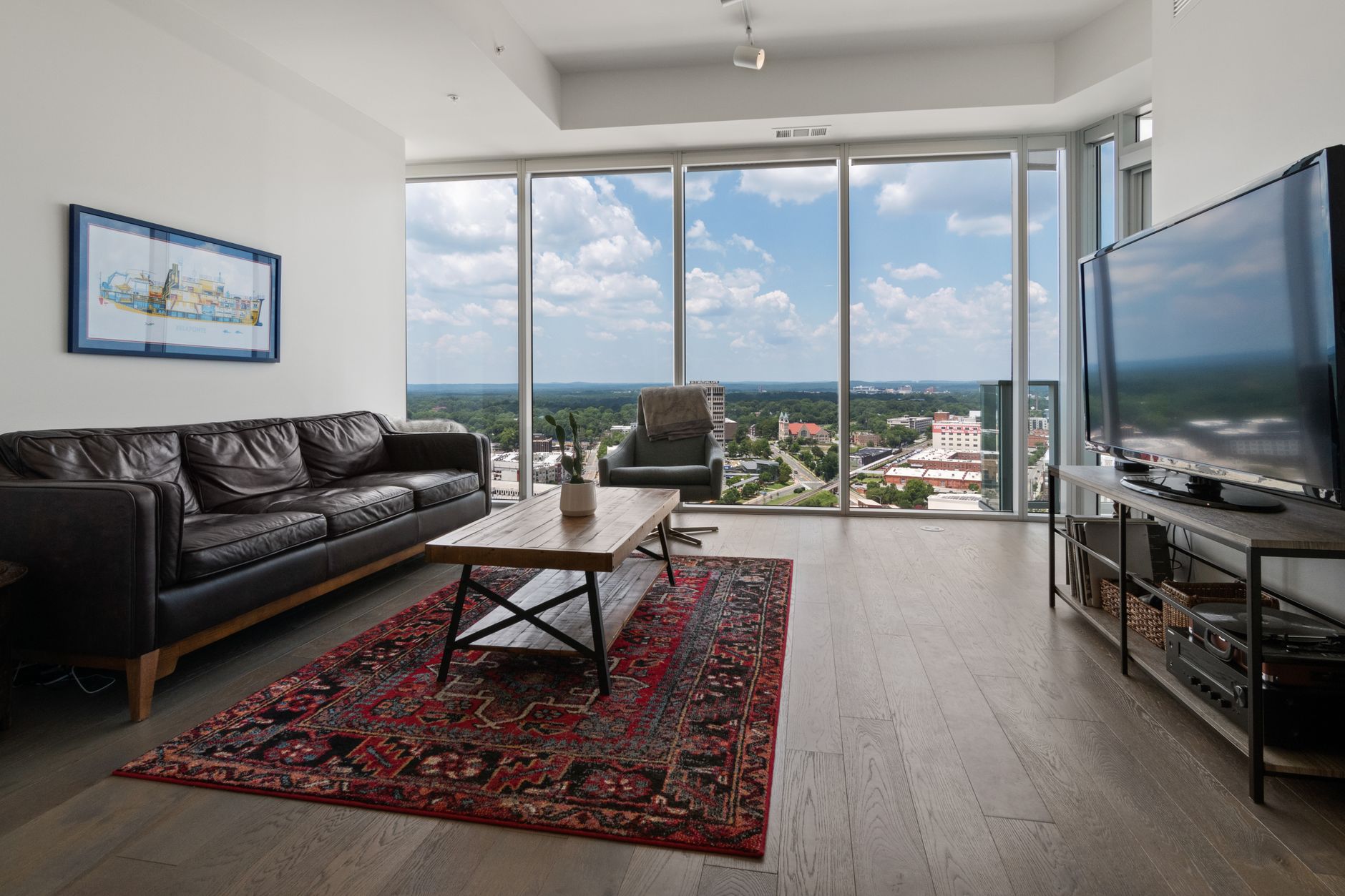
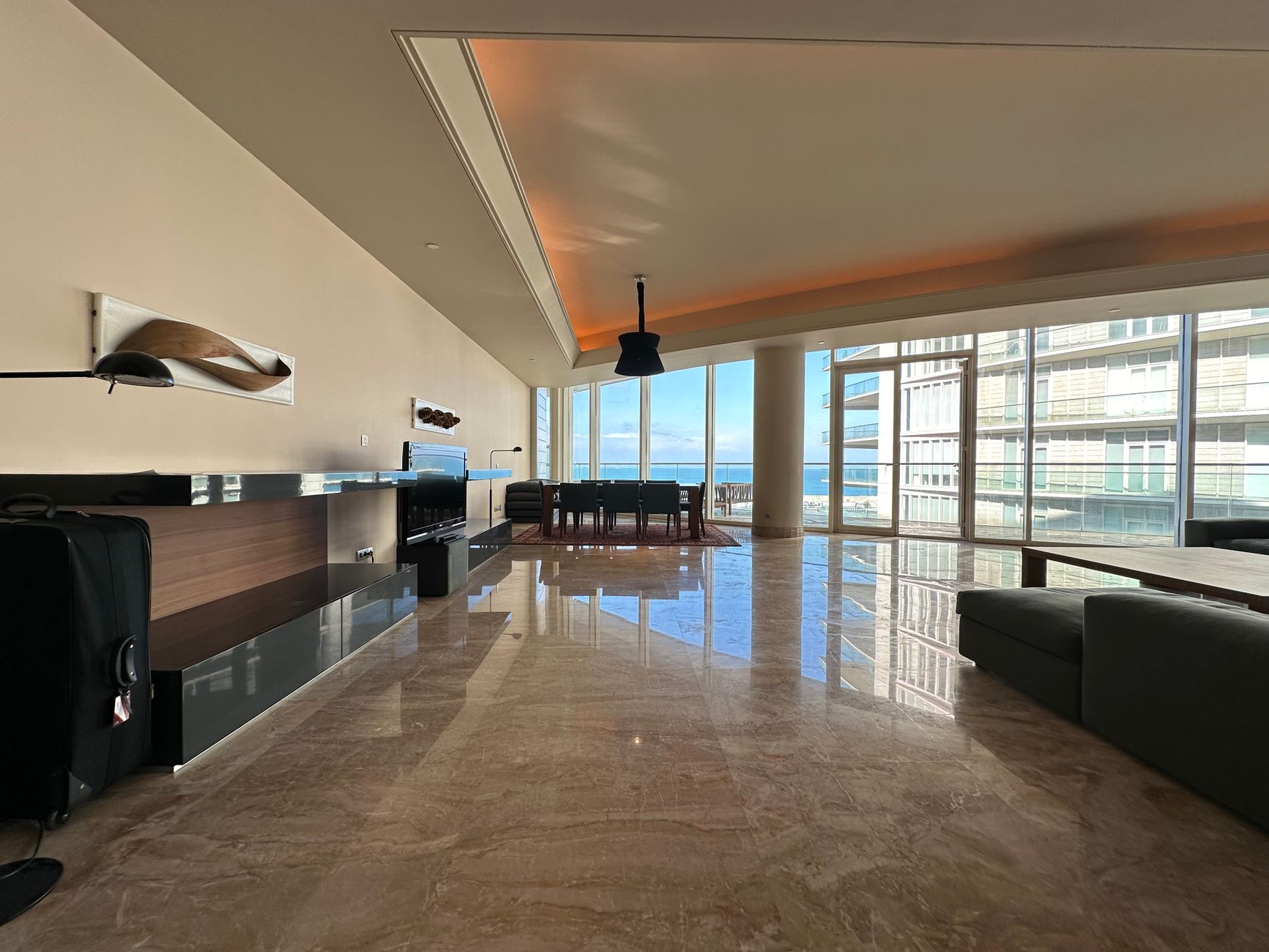
Corporate housing solutions are structured for exactly this scenario. A furnished apartment arranged through a specialist agency provides:
- A fixed monthly rate that does not fluctuate with demand or season
- Full kitchen facilities, eliminating daily food costs from the accommodation budget
- Separate living and sleeping areas, which meaningfully improve employee wellbeing on longer stays
- Utility and service costs bundled into a single invoice, simplifying procurement and finance reconciliation
- Compliance with duty of care standards, since dedicated housing gives employers clear visibility over where employees are staying
For teams of two or more, a multi-bedroom apartment also consolidates accommodation costs in a way that no hotel configuration can match.
How Rentaborg Handles the Transition
When hotel rate limits are reached, speed matters. Rentaborg's corporate housing services are built around fast deployment across major European business hubs — including Germany, the Netherlands, Sweden, Denmark, Belgium, Poland, and beyond.
The process is straightforward:
1. Requirement Brief
Rentaborg takes a structured brief covering the number of employees, assignment location, preferred move-in date, duration, and any specific requirements such as proximity to a client site or public transport access.
2. Property Matching
Using available properties across Europe, Rentaborg matches requirements against furnished inventory that is pre-vetted, immediately available, and contract-ready. You are not browsing a consumer platform — you are working with an agency that manages the entire process.
3. Contract and Invoicing
Contracts are issued directly to the company, with invoicing structured to align with your finance team's requirements. There are no awkward personal payment arrangements or employee expense claims for accommodation.
4. Handover and Ongoing Support
Employees receive a fully furnished, move-in-ready apartment. Rentaborg manages the relationship throughout the stay, handling any operational issues so your internal team is not fielding maintenance requests from employees in another country.
Cost Comparison: Hotels vs. Corporate Housing on Extended Assignments
The economics shift decisively in favour of corporate housing as assignment length increases. As a benchmark:
- A mid-range hotel in a Western European city typically costs €150–€250 per night at contracted rates, and considerably more when those rates lapse.
- A furnished one-bedroom apartment in the same city through corporate housing typically costs €2,000–€4,000 per month, depending on location and specification.
At a 30-night month, that represents a per-night cost of roughly €65–€135 — less than half the hotel rate, before accounting for eliminated meal and laundry costs.
For teams of four or more, the gap widens further. A three-bedroom corporate apartment at €5,000 per month serves four employees at €1,250 each — a fraction of what individual hotel rooms would cost, even at preferential rates.
The benefits of corporate housing for business travelers extend beyond cost. Employees who are comfortable, well-rested, and not eating every meal in a hotel restaurant perform better and stay on assignment longer without requesting early rotation.
What to Build Into Your Travel Policy Now
Rather than waiting for the hotel rate to be exhausted before exploring alternatives, procurement teams benefit from building corporate housing into their accommodation policy as a defined trigger point. Common policy structures include:
- Duration trigger: Any assignment exceeding 21 or 30 days defaults to a corporate housing assessment
- Cost trigger: When hotel costs exceed a defined threshold per night, corporate housing is evaluated
- Team size trigger: Groups of three or more travelling to the same location for the same project are routed to a housing solution rather than individual hotel rooms
Having Rentaborg established as a preferred vendor in advance means that when the trigger is hit, the transition takes days rather than weeks.
Looking for corporate housing in Europe? Contact Rentaborg for a tailored proposal.