Germany is one of Europe's most active markets for corporate assignments. Whether you're deploying a project team to Munich, relocating a specialist to Frankfurt, or managing a rolling workforce across multiple German cities, housing flexibility is often the deciding factor in how smoothly an assignment runs.
Month-to-month corporate housing solves a specific problem: assignment timelines change, and locking teams into 12-month leases creates financial and operational risk. This guide breaks down how flexible corporate housing works in Germany, what to look for, and how to structure agreements that protect your organisation.
Why Month-to-Month Arrangements Work for Corporate Assignments
Standard residential leases in Germany — governed by the Bürgerliches Gesetzbuch (BGB) — come with tenant protections that make early termination difficult and costly. For companies, this creates a mismatch: you may need accommodation for three months that extends to seven, or a six-month assignment that wraps up in four.
Month-to-month corporate housing sidesteps this by operating under short-term furnished rental agreements with flexible rolling notice periods. These are typically structured as corporate lets, meaning the contract is held by the company rather than the individual employee. This simplifies administration significantly — especially when personnel rotate through the same assignment.
Key advantages for HR and procurement teams:
- No penalty for early departure — end the contract when the assignment ends
- Predictable all-inclusive pricing — utilities, internet, and furnishings bundled into one invoice
- Corporate billing — single invoices for finance teams, no employee expense management for accommodation
- Scalability — add or reduce units as team size shifts
What's Typically Included in Month-to-Month Corporate Housing in Germany
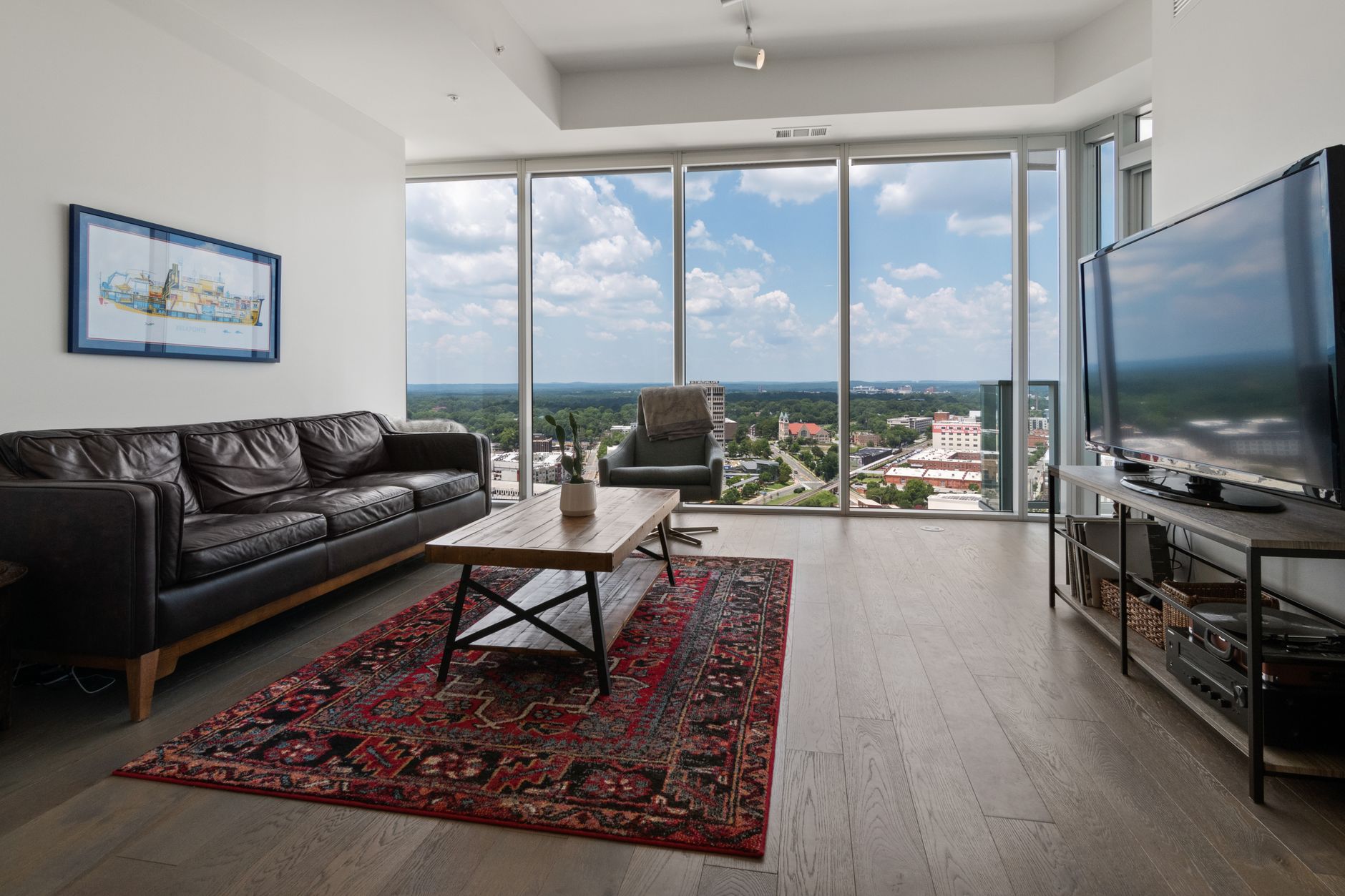
The standard for furnished corporate apartments in Germany is higher than many markets expect. A properly structured corporate housing unit should include:
- Fully furnished living and sleeping areas
- Equipped kitchen (including white goods and cookware)
- High-speed internet and utilities
- Weekly or bi-weekly cleaning service
- Access to building amenities where available
What distinguishes corporate housing from short-term holiday rentals is the combination of lease structure, billing format, and duty-of-care standards. For HR managers responsible for employee welfare, a corporate housing provider can also offer consistent quality across multiple cities — which a patchwork of individual bookings cannot.
Key Cities for Month-to-Month Corporate Housing in Germany
Munich
Munich is Germany's most expensive housing market and has a notoriously tight rental inventory. Month-to-month corporate lets are significantly harder to source independently here. Working with a provider that maintains managed inventory in Munich is essential for teams needing reliable access.
Frankfurt
As a major financial and logistics hub, Frankfurt sees consistent corporate housing demand. The city's international workforce makes it one of the more straightforward markets for flexible corporate lets, with a range of centrally located options.
Berlin
Berlin combines a large talent pool with a comparatively dynamic rental market. Corporate housing here ranges from compact studio units for individual assignees to multi-bedroom apartments for small teams. Month-to-month terms are more commonly available than in Munich.
Hamburg, Düsseldorf, and Stuttgart
These cities serve significant industrial and professional services sectors. Housing demand in all three fluctuates with project cycles, making month-to-month flexibility particularly relevant for procurement teams managing variable headcount.
How to Structure a Month-to-Month Corporate Housing Agreement in Germany
When evaluating a month-to-month arrangement, procurement teams should clarify the following before signing:
Notice period: A 30-day rolling notice is standard. Some providers require 60 days — verify this before committing, especially for shorter assignments.
Minimum stay: Most corporate housing providers require a minimum of 30 days. Some apply a 60 or 90-day minimum for certain properties.
Invoicing structure: Confirm whether VAT is itemised correctly for German accounting purposes and whether the invoice format meets your internal procurement requirements.
Extension process: Understand how extensions are handled. A verbal agreement is not sufficient — confirm the process for issuing a formal extension letter or addendum.
Damage and deposit terms: Corporate lets typically require a deposit equivalent to one to two months' rent. Clarify refund timelines on departure.
Comparing Month-to-Month Housing Options: What to Avoid
Not all flexible housing is true corporate housing. HR and procurement managers should be cautious about:
- Consumer short-term rental platforms — these lack corporate billing, consistent quality standards, and are not structured for duty-of-care compliance
- Private landlord arrangements — these may offer flexibility verbally, but written contract terms often revert to standard BGB protections that benefit the tenant, not the company
- Serviced apartments marketed as corporate housing — verify whether the operator can provide formal corporate lease agreements, not just hotel-style booking confirmations
The distinction matters particularly for multinational companies with internal compliance requirements or travel risk policies.
Working with a Pan-European Provider
If your team is moving across multiple European countries — or if German assignments are part of a broader deployment — working with a single provider for multiple markets reduces administrative overhead considerably.
Rentaborg's corporate housing services cover key markets across Europe, including Germany, allowing HR and procurement teams to manage accommodation centrally rather than coordinating with multiple local operators. You can review available properties across Europe directly, or request a tailored proposal based on your specific assignment locations and timelines.
For organisations evaluating their broader approach to employee mobility, Rentaborg's corporate housing solutions are structured to align with procurement frameworks, HR policies, and duty-of-care requirements simultaneously.
Looking for corporate housing in Germany? Contact Rentaborg for a tailored proposal.