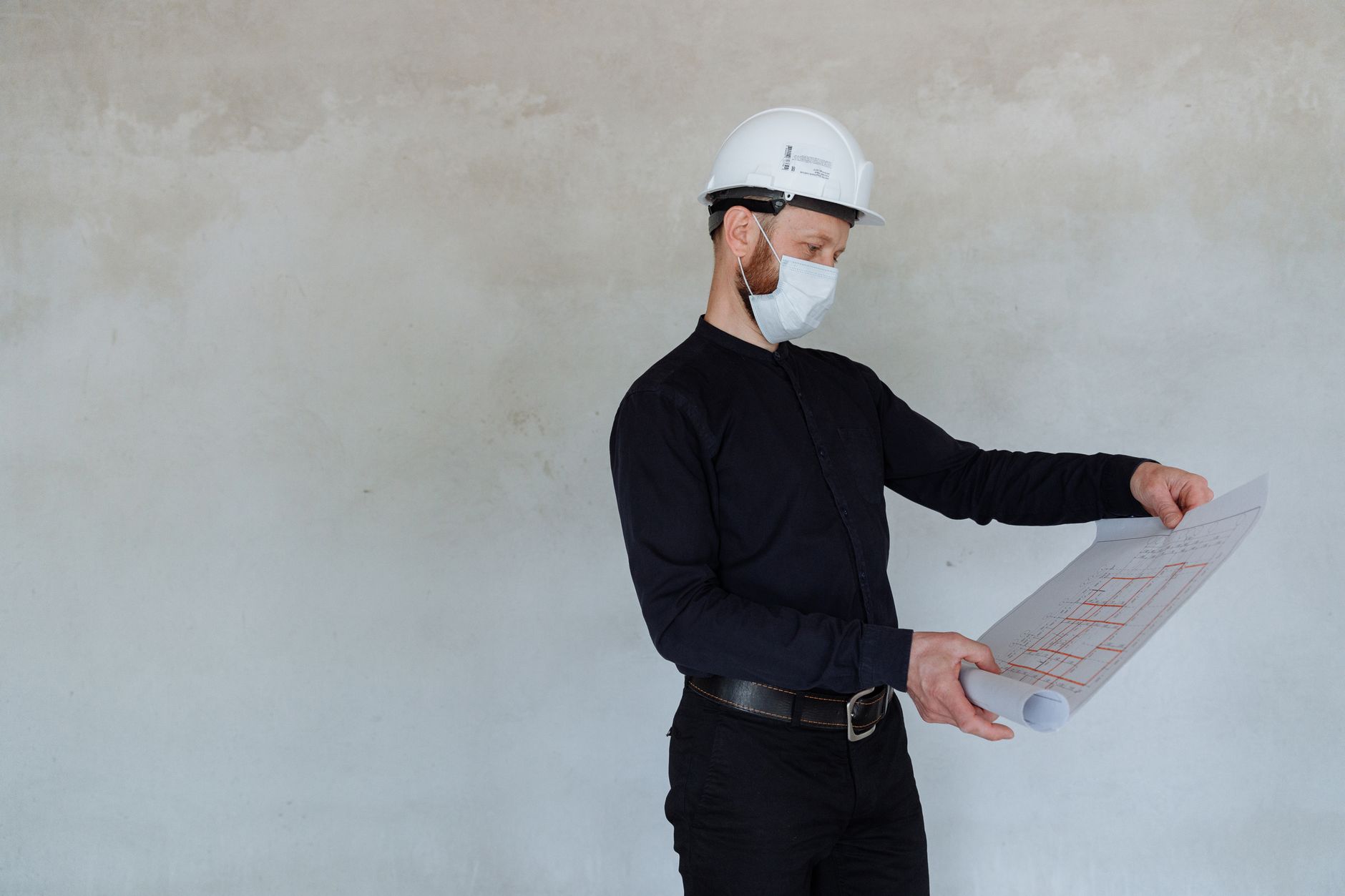
Construction projects run over time. That's not pessimism — it's industry reality. According to McKinsey research, large infrastructure and construction projects overrun their schedules by an average of 20%. For HR managers and procurement officers responsible for housing project teams, that statistic has direct operational consequences.
When a six-month assignment becomes nine months, and a nine-month project stretches to a year, the accommodation arrangements made at the outset often don't hold up. Leases expire. Hotels become unsustainable. Team members grow frustrated. Managing corporate housing during construction project delays requires a structured approach — one built on flexibility, not assumptions.
Why Standard Accommodation Fails When Projects Extend
Most companies start with one of two approaches when housing a project team: short-term hotel blocks or fixed-term furnished apartment leases. Both create problems the moment timelines shift.
The Hotel Cost Problem
Hotels are designed for short stays. At 30, 60, or 90 days, the nightly rate becomes an increasingly poor return on investment. Staff morale also suffers — a team member living out of a suitcase for six months in a hotel room is not operating at full capacity. There's no space to decompress, no kitchen to use, no sense of stability.
The Fixed-Lease Gap
Fixed-term leases seem like the logical step up from hotels. The issue is that they're structured around certainty — a defined start and end date. Construction projects, by nature, aren't certain. When a project extends, you're either locked into a lease that ends too soon, or you're renegotiating under pressure, often at a premium, because you need continuity and the landlord knows it.
What Corporate Housing Should Look Like for Project Teams
The right housing model for construction assignments is one that anticipates change rather than reacts to it.
Flexible Term Structures
Corporate housing providers who specialise in project and team accommodation build flexibility into the contract from the start. Extensions shouldn't require a full renegotiation — they should be a defined option in the original agreement. When scoping accommodation, ask specifically how extensions are handled, what notice periods apply, and whether pricing is protected if you need to extend.
Rentaborg's corporate housing services are structured to support exactly this kind of assignment flexibility, with contracts designed for the realities of project work rather than standard short-term rental assumptions.
Consolidated Team Housing
Spreading team members across multiple hotels or individual apartments creates coordination overhead and reduces team cohesion. Where possible, housing project teams in the same building or complex makes logistical sense — shared commutes, easier communication, and a more stable social environment for staff on long-term assignment.
For companies managing larger crews, staff and project housing solutions that consolidate accommodation into a single managed arrangement reduce administrative load and simplify cost reporting.
Fully Furnished, Move-In Ready Units
When a project extends, the last thing you need is to spend time sourcing furniture, utilities, or internet connections for a revised accommodation setup. Fully furnished corporate apartments with utilities included eliminate variables. Staff arrive, they work, they live — without the friction of setting up a home from scratch in a foreign country.
Planning for Delays Before They Happen
The companies that handle construction project delays most effectively aren't the ones with the best crisis response — they're the ones that build contingency into their accommodation strategy from day one.
Build in Buffer When Negotiating Leases
If your project is scheduled for eight months, negotiate accommodation for ten. The cost of unused weeks at the end is almost always lower than the cost of scrambling to extend or find alternatives mid-project. Many corporate housing providers will structure pricing that reflects the committed term, with unused weeks handled proportionally.
Establish a Single Point of Contact
HR managers dealing with a project extension don't need to re-enter a procurement process. Having a dedicated account relationship with your housing provider means that when the project director calls to say the handover date has moved, a single conversation sets the accommodation adjustment in motion.
Document Your Housing Requirements Centrally
Team composition changes during long projects — people rotate out, specialists join, roles shift. Keeping a central record of who is housed where, what their contract terms are, and what the extension options look like means that when changes are needed, you're working from accurate information rather than trying to reconstruct the situation under pressure.
The Cost of Getting This Wrong
Poor accommodation management during construction delays has measurable consequences. Staff turnover increases when living conditions are substandard or unstable. Productivity drops when team members are preoccupied with housing uncertainty. Project managers lose time managing logistics that should be handled by a specialist provider.
There are also less visible costs: the negotiating leverage lost when you're extending under pressure, the premium rates charged when hotels know you have no alternative, and the reputational impact with staff who expect their employer to handle assignments competently.
The benefits of corporate housing for business travelers extend directly to project teams — stability, cost efficiency, and the ability to focus on work rather than logistics. These aren't soft advantages; they're operational ones.
Choosing a Provider That Understands Project Work
Not every corporate housing agency understands the construction and infrastructure sector. When evaluating providers, look for experience with multi-month, multi-person assignments — not just individual relocations. Ask about their inventory across relevant European markets, their ability to scale up or down as team composition changes, and their track record with extended assignments.
Available properties across Europe through Rentaborg span key construction and infrastructure markets, with units suited to both individual specialists and larger project crews.
Looking for corporate housing in Europe for your construction project team? Contact Rentaborg for a tailored proposal.