Why Six Months Changes the Housing Equation
Short-term hotel stays work for business trips. They do not work for a six-month assignment. Once your team is in Amsterdam for an extended project, the cost and operational logic of hotel accommodation breaks down quickly — and the personal impact on employees becomes a real retention risk.
Six-month staff accommodation in Amsterdam occupies a specific category in the corporate housing market. It is long enough to justify a fully furnished apartment, but structured enough to require contractual flexibility, predictable pricing, and a reliable point of contact. Getting this right from the start saves significant time, cost, and friction over the course of the assignment.
What the Amsterdam Housing Market Looks Like for Corporate Tenants
Amsterdam is a competitive rental market. Residential supply is constrained, and standard lease agreements typically run for a minimum of twelve months, which immediately creates a mismatch for corporate assignments.
This is where purpose-built corporate housing in Amsterdam operates differently from the general rental market. Corporate housing providers work with landlords who understand business tenancies — shorter contract durations, invoice-based billing, and occupancy that may involve multiple employees rotating through the same unit over time.
Key points to understand about the Amsterdam market:
- Central and near-central neighbourhoods (De Pijp, Oud-West, Amsterdam-Zuid, Zuidas) are preferred for business tenants due to transport links and proximity to major business districts
- Furnished supply is limited in the standard residential market, making specialist providers essential for a ready-to-occupy setup
- Price expectations for corporate-standard furnished apartments in Amsterdam range broadly by size, location, and spec level — budgeting accurately requires direct engagement with a provider rather than relying on consumer platforms
What to Require in a Six-Month Corporate Housing Contract
When briefing a housing provider or reviewing a proposal, procurement teams should verify the following before signing:
Contract Duration and Flexibility
Confirm whether the six-month term is fixed or whether it includes extension options. Assignments frequently overrun. A contract that locks out extension or penalises it heavily creates unnecessary operational pressure. Equally, confirm what notice period applies if the assignment concludes early.
What Is Included in the Monthly Cost
The headline rate rarely tells the whole story. Ensure the proposal clearly itemises what is and is not covered: utilities, internet, building service charges, cleaning, and any platform or management fees. Reviewing common staff housing mistakes and hidden costs before finalising a contract is a practical step most procurement teams skip — and one that regularly leads to budget overruns.
Invoicing and Payment Terms
Corporate tenants need invoicing that integrates with internal finance processes. Personal deposit structures designed for individual tenants are not appropriate for business accounts. Confirm that the provider can issue invoices to a company entity and accommodate standard payment terms.
Property Standard and Handover Process
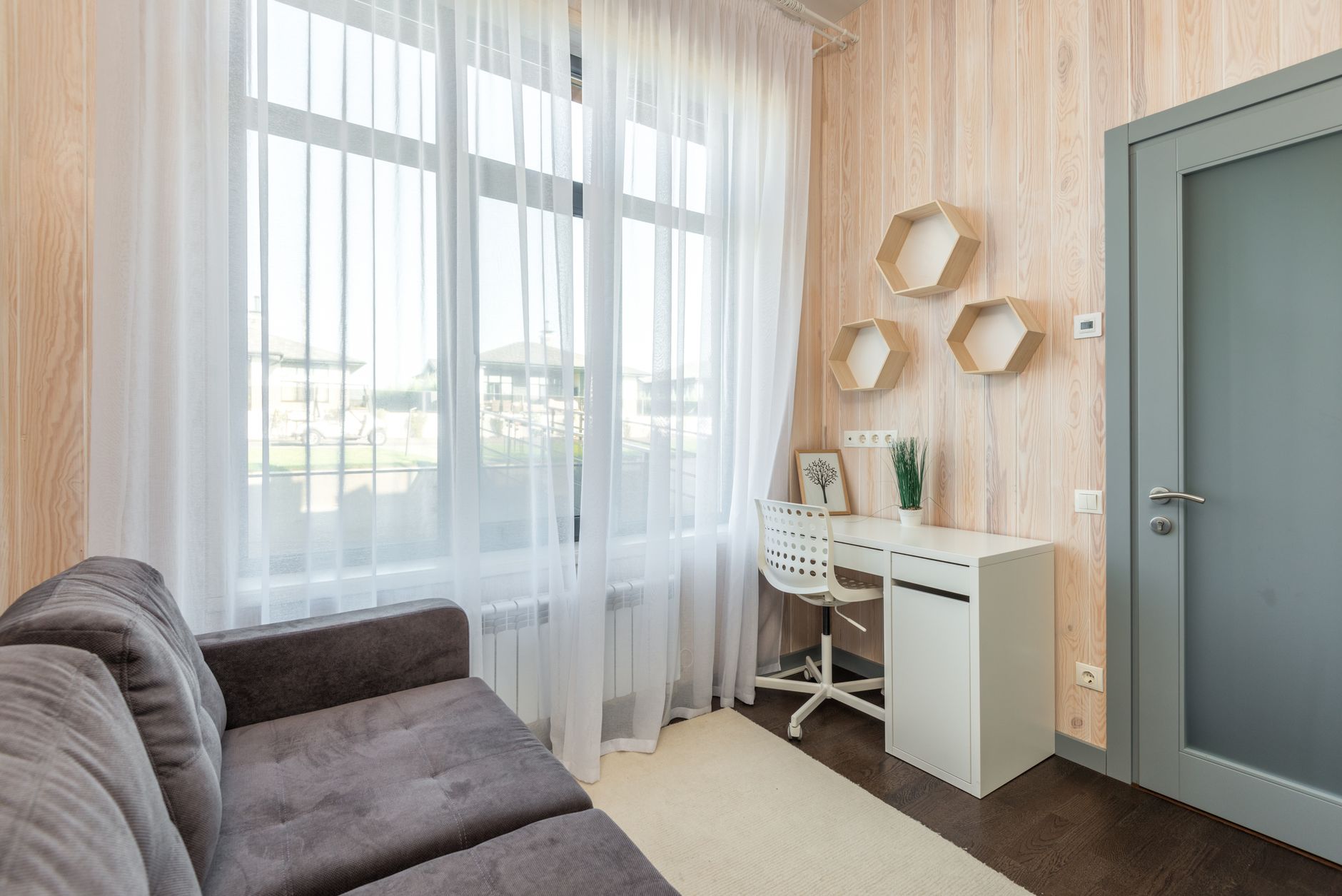
For a six-month stay, the property needs to function as a proper home base, not just a place to sleep. Confirm bed count, kitchen equipment, workspace provision, laundry access, and building amenities. Request photos or a virtual tour before committing — particularly for units being occupied by multiple team members.
Managing Multiple Employees in Amsterdam
If you are placing a team rather than a single employee, the housing brief becomes more complex. You may need a combination of unit types — larger apartments for shared occupancy and smaller units for employees who prefer or require individual accommodation.
Rentaborg's corporate housing services are structured to handle multi-unit briefs within a single engagement. This avoids the inefficiency of managing several separate landlords or providers across one assignment. A consolidated approach also simplifies billing and gives HR a single contact for any issues that arise during the six months.
For companies running multiple assignments across Europe simultaneously, staff and project housing solutions that operate at scale make more operational sense than managing each location independently.
Neighbourhood Considerations for Business Tenants
Location decisions should factor in your team's working pattern, not just city-centre convenience.
Zuidas is Amsterdam's primary financial and legal business district. If your team is based there, accommodation in Zuidas, Amsterdam-Zuid, or accessible southern districts minimises commute friction.
Schiphol proximity matters for teams with frequent international travel. Properties in Badhoevedorp, Hoofddorp, or western Amsterdam reduce travel time to the airport significantly.
Central Amsterdam (Jordaan, Centrum) offers high liveability but comes at a premium and can create practical challenges around parking or larger team movements.
Discuss location requirements explicitly with your housing provider early in the process. Once a unit is booked, relocating mid-assignment is disruptive and costly.
Timeline: When to Start the Search
Six-month corporate accommodation in Amsterdam should be secured a minimum of four to six weeks before the required start date. During peak periods — particularly Q1 and summer months — suitable furnished inventory moves quickly.
If your assignment start date is firm, do not leave the housing brief until two weeks out. By that point, the best options will be gone, and you will be choosing from whatever remains rather than from a properly curated shortlist.
Browsing available properties across Europe gives an early indication of supply levels and spec standards before you enter a formal brief process.
Looking for corporate housing in Amsterdam? Contact Rentaborg for a tailored proposal.