Strategic Accommodation Planning for Nordic Projects
Scandinavia presents unique opportunities for corporate expansion, from Sweden's tech hubs to Norway's energy sector and Denmark's renewable industries. However, securing suitable accommodation for project workers across these Nordic markets requires specialized knowledge of local rental regulations, seasonal pricing variations, and cultural preferences.
Corporate rental apartments offer the stability and cost-effectiveness essential for extended project deployments. Unlike hotel stays, furnished rental properties provide dedicated workspace, kitchen facilities, and the privacy teams need for productive long-term assignments ranging from three months to several years.
Regional Housing Market Characteristics
Sweden: Tech and Manufacturing Centers
Sweden's corporate housing market centers on Stockholm, Gothenburg, and Malmö. Stockholm commands premium pricing due to limited inventory and high demand from international businesses. Gothenburg offers more competitive rates while maintaining proximity to major automotive and manufacturing operations.
Rental regulations require landlord registration and specific contract terms for corporate tenancies exceeding 12 months. Rentaborg's corporate housing services navigate these requirements, ensuring compliance across all Swedish locations.
Norway: Energy Sector Focus
Norway's accommodation needs concentrate around Oslo, Bergen, and Stavanger, with Stavanger particularly serving oil and gas project teams. Norwegian rental markets feature strict tenant protection laws and seasonal rate fluctuations, especially in coastal cities.
Corporate housing demand peaks during summer months when daylight hours support intensive project schedules. Properties require specific heating systems and insulation standards to accommodate Norway's climate conditions.
Denmark: Renewable Energy and Logistics
Copenhagen dominates Denmark's corporate rental market, followed by Aarhus and Odense. The country's renewable energy boom drives consistent demand for project worker accommodation, particularly for wind energy installations and grid infrastructure projects.
Danish rental agreements include detailed inventory requirements and deposit structures that differ significantly from other European markets. Understanding these nuances prevents project delays and budget overruns.
Accommodation Selection Criteria
Location and Transport Connectivity
Scandinavian cities prioritize public transportation, making proximity to metro, bus, and train networks essential. Workers expect efficient commutes, and properties within walking distance of major transport hubs command higher occupancy rates.
Stockholm's T-bana system, Copenhagen's Metro, and Oslo's extensive tram network all influence optimal property selection. Remote project sites may require dedicated shuttle services or company vehicle provisions.
Property Specifications for Extended Stays
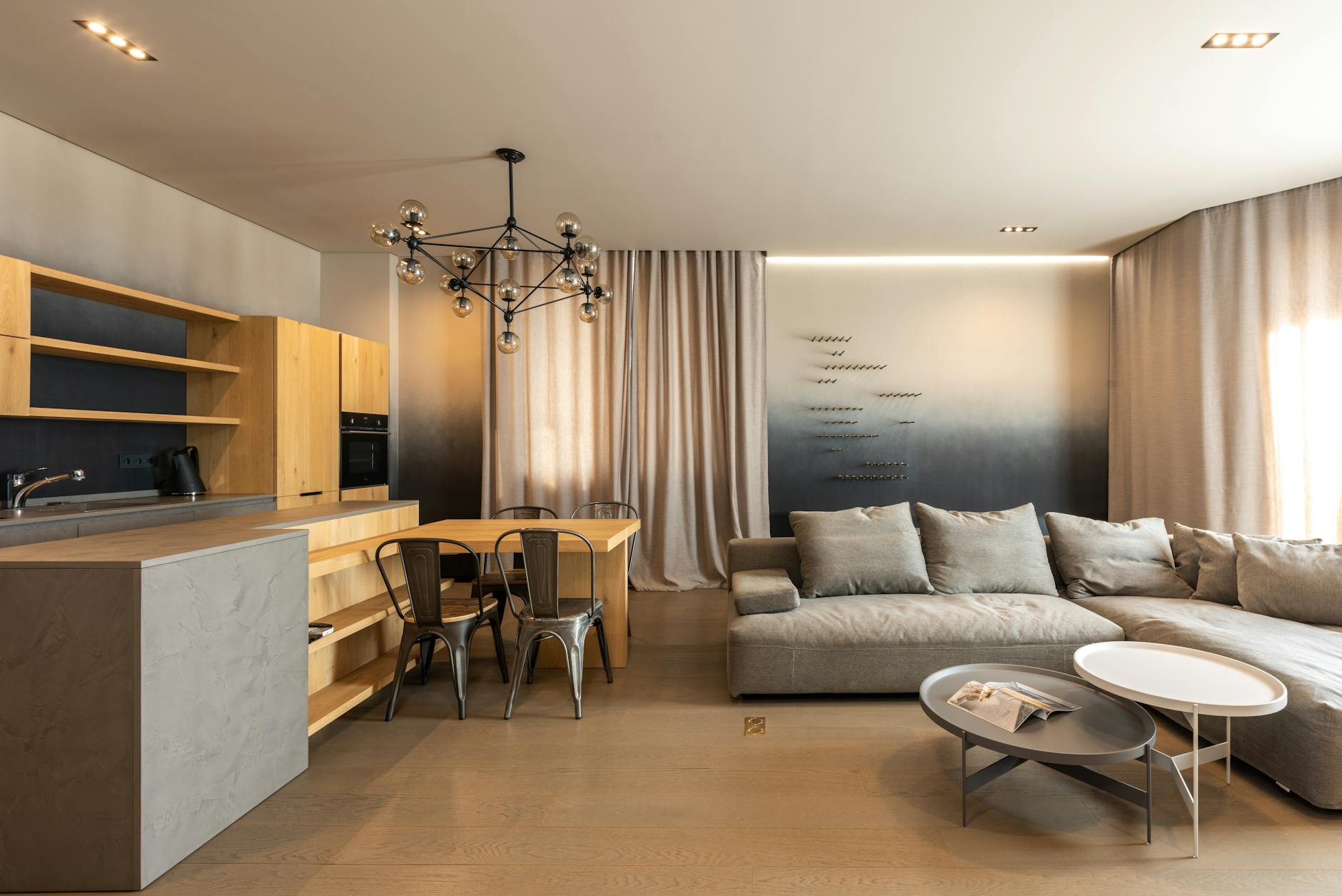
Corporate rental apartments must accommodate both work and personal needs. Essential features include:
- High-speed internet connectivity for remote collaboration
- Dedicated workspace areas with proper lighting
- Full kitchen facilities to reduce meal expenses
- In-unit laundry or building laundry access
- Climate control systems suitable for Nordic weather patterns
Properties lacking these features create productivity challenges and increase overall project costs through supplementary service requirements.
Flexible Lease Terms
Project timelines frequently shift due to client requirements, weather conditions, or regulatory changes. Corporate rental agreements must accommodate extensions, early terminations, and team size fluctuations without penalty structures that inflate accommodation budgets.
Standard hotel bookings lack this flexibility, while traditional residential leases impose rigid terms unsuitable for corporate deployments. Available properties across Europe through specialized corporate housing providers offer the adaptability project managers require.
Budget Optimization Strategies
Cost Comparison Analysis
Scandinavian accommodation costs vary significantly by city, season, and property type. Stockholm apartments average 15-20% higher than Gothenburg equivalents, while Norwegian properties command premium rates year-round due to limited supply.
Corporate apartments typically cost 30-40% less than equivalent hotel accommodations for stays exceeding 30 days. Extended deployments of six months or longer achieve even greater savings through negotiated monthly rates and reduced service charges.
Hidden Cost Management
Scandinavian utilities, particularly heating during winter months, can substantially impact accommodation budgets. Properties with inclusive utility packages provide budget predictability, while separate billing creates variable monthly expenses difficult to forecast accurately.
Cleaning services, internet upgrades, and parking fees represent additional cost considerations. Comprehensive staff and project housing solutions include these services in transparent pricing structures.
Administrative and Compliance Considerations
Tax and Reporting Requirements
Each Scandinavian country maintains distinct tax obligations for corporate accommodation expenses. Swedish companies must document business necessity for extended stays, while Norwegian regulations require specific receipt formats for expense deductions.
Danish corporate housing expenses fall under different categories depending on deployment duration and worker residency status. Professional housing providers maintain documentation standards that satisfy audit requirements across all three countries.
Employee Satisfaction Metrics
Accommodation quality directly impacts project team productivity and retention. Scandinavian workers expect high living standards, and substandard housing creates recruitment challenges for subsequent projects in the region.
The benefits of corporate housing for business travelers include improved work-life balance and reduced stress compared to hotel accommodations, leading to measurable performance improvements.
Seasonal Planning Considerations
Scandinavian project schedules must account for extreme seasonal variations. Summer months offer extended daylight hours but peak accommodation pricing, while winter deployments face reduced daylight and heating cost increases.
Planning accommodation requirements 3-6 months in advance secures optimal properties and rates. Last-minute bookings face limited availability and premium pricing, particularly during peak business seasons and local holiday periods.
Looking for corporate housing in Scandinavia? Contact Rentaborg for a tailored proposal.