What to Expect from Sweden's Corporate Housing Market
Sweden is one of Europe's most active destinations for corporate relocations. Technology companies, automotive suppliers, pharmaceutical firms, and engineering consultancies regularly deploy teams to Stockholm, Gothenburg, Malmö, and beyond. The demand for quality temporary accommodation is high — and the supply of suitable, professionally managed housing has not always kept pace with it.
The Swedish rental market operates under tenant-protection legislation that makes short-term private lettings complicated. Standard lease agreements are typically structured for long-term individual tenants, not for companies placing rotating project teams. This is why procurement officers and HR managers consistently turn to specialist providers rather than attempting to navigate the open market independently.
Understanding these structural constraints from the outset will save your organisation time, budget, and significant administrative effort.
Why Standard Hotels Don't Work for Extended Team Assignments
For assignments running four weeks or longer, hotel accommodation creates predictable problems. Costs scale poorly, there is no shared space for teams to decompress or collaborate informally, and employees in hotel rooms for months at a time report measurably lower satisfaction and productivity.
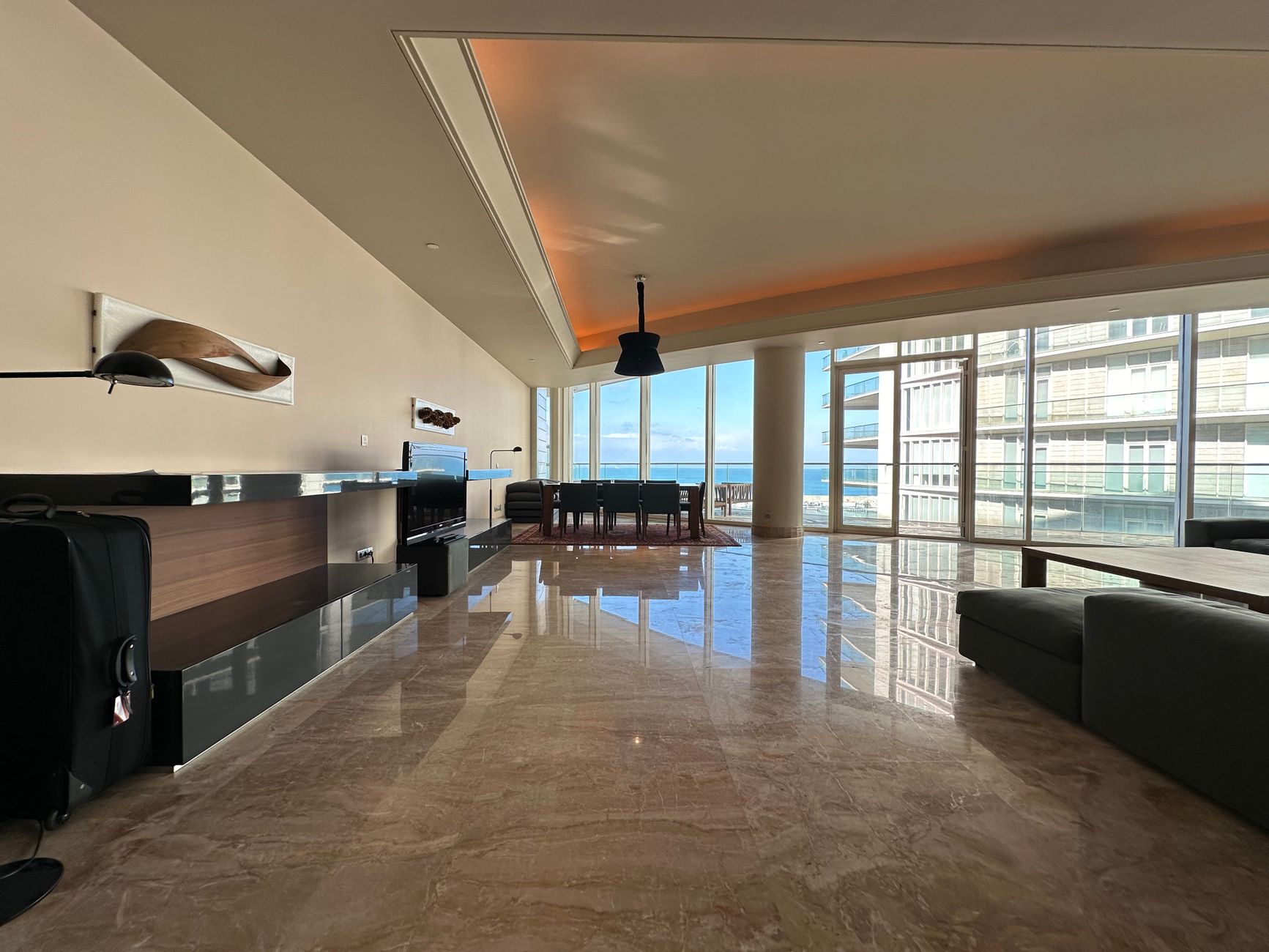
Corporate apartments solve this. A well-configured two- or three-bedroom furnished apartment in Stockholm or Gothenburg gives your team functional living space — a kitchen, separate bedrooms, a working area — at a cost per person that is typically 30–50% lower than equivalent hotel nights over the same period.
The operational structure also shifts. Rather than managing individual hotel bookings across multiple dates and travellers, your HR or travel management function deals with a single contract, a single point of contact, and a fixed monthly cost. That simplicity has direct value for reporting and budget forecasting.
Key Considerations When Sourcing Housing for Teams in Sweden
Location Relative to the Assignment Site
Sweden's cities are not uniform. Stockholm is a large, distributed metropolitan area — your team's commute from an apartment in Södermalm to a site in Kista will be very different from a placement in central Göteborg. Gothenburg's industrial clusters are concentrated in specific zones, and Malmö's connectivity to Copenhagen via the Øresund Bridge makes cross-border assignments a common scenario.
When briefing a housing provider, specify the assignment location precisely. A 20-minute versus a 60-minute daily commute is a retention and wellbeing issue, not just a preference.
Apartment Configuration and Team Size
Corporate housing for relocating teams in Sweden typically falls into several configurations:
- Studio and one-bedroom units for individual assignees or couples
- Two-bedroom apartments for pairs of team members, or one employee with a partner
- Three-bedroom or larger units for small project teams sharing accommodation
Suppliers like Rentaborg can often accommodate multiple units within the same building or development, which supports team cohesion without compromising personal space.
Lease Flexibility and Notice Periods
Project timelines change. Procurement officers should confirm what flexibility exists within the lease structure before signing. Specifically: what is the minimum stay, what notice period applies if a project is extended or cut short, and are there provisions for adding or releasing units mid-assignment?
Fixed-term contracts with clear exit clauses protect both the client and the provider. Be cautious of arrangements that default to open-ended tenancies under Swedish residential law — these can create complications when the assignment concludes.
What Should Be Included
Fully furnished corporate apartments in Sweden should include:
- Furniture, bedding, and household equipment
- High-speed internet
- Utilities (electricity, heating, water)
- Weekly or bi-weekly cleaning, on request
- Local point of contact for maintenance issues
Some providers also include television services, parking, and gym access. Confirm exactly what the monthly figure covers and what sits outside it. Hidden costs — particularly Swedish electricity tariffs in winter — can move the budget materially.
Working with a Pan-European Corporate Housing Provider
If your organisation is relocating teams across multiple European markets simultaneously — a common scenario for infrastructure projects, ERP rollouts, or merger integration work — managing separate local housing suppliers in each country adds significant administrative load.
Centralising that function through a pan-European provider creates a more manageable structure. A single contract framework, standardised billing, and one escalation path for issues across all markets reduces overhead for HR, procurement, and finance teams.
Rentaborg's corporate housing services are structured specifically for this use case. The platform supports assignments in Sweden alongside placements across Germany, the Netherlands, France, Scandinavia, and other major European markets — allowing procurement teams to consolidate vendor relationships without sacrificing local market quality.
You can review available properties across Europe directly, filtered by location, size, and availability — which is useful for initial scoping before a formal briefing.
What Swedish Assignments Specifically Require
Teams arriving in Sweden for the first time face a few practical realities that good corporate housing support should address.
Swedish winters are long and dark, and heating costs are significant. Apartments where utilities are capped or included in the monthly rate are preferable for budget predictability. Proximity to public transport matters more in Swedish cities than in some southern European markets — cycling infrastructure is excellent in most cities, but weather-dependency makes metro and tram access a practical priority for winter months.
For teams from outside the EU, the administrative requirements around registration with Skatteverket (the Swedish Tax Agency) and acquiring a coordination number may apply. While housing providers are not responsible for immigration or tax compliance, a provider with experience in Swedish corporate relocations will be familiar with these requirements and can refer you to appropriate resources.
For a broader view of the advantages companies typically realise when placing teams in dedicated corporate accommodation, the benefits of corporate housing for business travelers are worth reviewing before finalising your approach.
Alternatively, if you are scoping housing requirements across several markets and want to understand the full range of available structures, Rentaborg's corporate housing solutions cover the full spectrum from short-term placements to multi-year contracts.
Looking for corporate housing in Stockholm, Gothenburg, or Malmö? Contact Rentaborg for a tailored proposal.