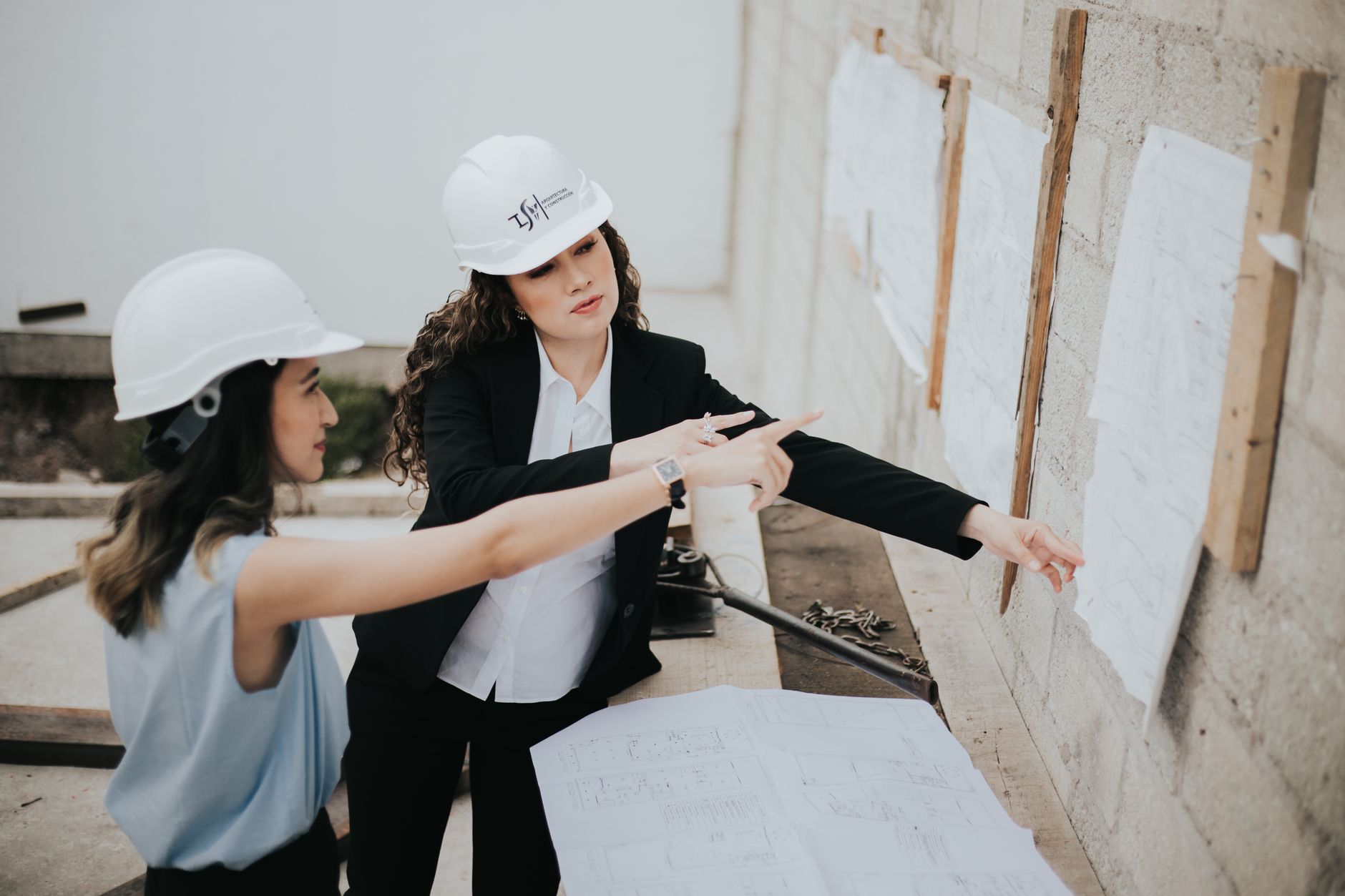
Europe's rail infrastructure sector is experiencing unprecedented growth, with billions invested in high-speed networks, urban transit systems, and cross-border connectivity projects. These ambitious initiatives require specialized teams to relocate temporarily across multiple European markets, creating complex accommodation requirements that standard business travel solutions cannot address.
Rail infrastructure projects present unique housing challenges. Teams often work on-site for 6-24 months, requiring accommodation that balances proximity to remote project locations with access to urban amenities. Traditional hotels prove cost-prohibitive for extended stays, while local rental markets often lack the flexibility and support services international teams require.
Strategic Location Planning for Rail Projects
Proximity to Project Sites
Rail infrastructure projects frequently operate in areas where commercial accommodation options are limited. Major projects like the Rail Baltica initiative spanning Estonia, Latvia, and Lithuania, or the Lyon-Turin tunnel connecting France and Italy, require housing solutions that consider both current construction phases and future project developments.
Successful accommodation planning involves mapping project timelines against available housing inventory. Teams working on station construction in urban areas have different requirements from those installing signaling systems across rural corridors. Rentaborg's corporate housing services provide flexibility to adjust locations as project phases evolve, ensuring teams remain optimally positioned throughout their assignments.
Multi-Country Project Coordination
Cross-border rail projects demand accommodation strategies that span multiple jurisdictions. The European Rail Traffic Management System (ERTMS) rollout, for instance, requires teams to work sequentially across different countries, each with distinct housing regulations and market conditions.
Coordinating housing across multiple European markets requires local expertise in each jurisdiction. This includes understanding tenant rights, deposit requirements, and utility setup procedures that vary significantly between countries. Centralized procurement through a single provider eliminates the complexity of managing multiple local contracts and ensures consistent service standards across all locations.
Accommodation Requirements for Technical Teams
Extended Stay Considerations
Rail infrastructure specialists typically require accommodation for periods ranging from six months to two years. These extended timeframes necessitate fully furnished apartments that provide the comfort and functionality of permanent residences while maintaining the flexibility of temporary housing.
Technical teams often work irregular schedules, including weekend and night shifts during critical installation phases. Accommodation must support these working patterns through features like dedicated workspace areas, reliable high-speed internet, and 24/7 building access. Kitchen facilities become essential for teams working non-standard hours when restaurant options may be limited.
Team Housing Dynamics
Rail projects frequently involve mixed teams of engineers, project managers, and specialized technicians. Housing arrangements must accommodate different seniority levels and personal preferences while maintaining team cohesion and cost efficiency.
Some projects benefit from clustered housing where team members are located within the same building or complex, facilitating informal collaboration and reducing transportation costs to project sites. Other scenarios require individual apartments distributed across a wider area to optimize commute times from various project locations.
Compliance and Safety Standards
Industry-Specific Requirements
Rail infrastructure companies often maintain strict compliance standards that extend to employee accommodation. This includes requirements for specific insurance coverage, safety certifications for buildings, and documentation standards for expense reporting and tax purposes.
Corporate housing providers must demonstrate compliance with these industry standards through proper documentation, certified safety protocols, and transparent reporting structures. The available properties across Europe in our network all meet stringent safety and quality standards required by major infrastructure companies.
Documentation and Reporting
Rail projects typically involve complex billing structures where accommodation costs must be allocated to specific project phases or client contracts. This requires detailed reporting capabilities that can segment costs by time period, team member, and project code.
Automated reporting systems that integrate with corporate expense management platforms streamline this process and ensure accurate cost allocation for project accounting purposes. Monthly detailed invoicing with project-specific breakdowns supports both internal cost control and client billing requirements.
Cost Management Strategies
Budget Optimization Across Project Phases
Rail infrastructure projects experience varying team size requirements throughout their lifecycle. Initial planning phases may require small core teams, expanding significantly during construction phases before reducing again during testing and commissioning.
Effective cost management requires housing solutions that scale with these changing requirements. This includes negotiating flexible lease terms that allow for apartment additions or reductions based on project needs, and securing preferential rates for extended commitments while maintaining break clauses for project delays or scope changes.
Total Cost of Occupancy
Beyond base rental costs, rail project accommodation must consider utilities, internet connectivity, transportation to project sites, and support services. Remote project locations may require additional services like cleaning, maintenance coordination, and local concierge support that increase total occupancy costs.
Comprehensive staff and project housing solutions provide transparent all-inclusive pricing that covers these ancillary costs, enabling accurate budget forecasting and eliminating unexpected expenses that can impact project margins.
Technology Integration and Connectivity
High-Speed Internet Requirements
Modern rail infrastructure projects rely heavily on cloud-based project management systems, video conferencing for coordination with global teams, and large file transfers for technical documentation. Accommodation must provide enterprise-grade internet connectivity that supports these demanding requirements.
Standard residential internet packages often prove inadequate for technical teams working with complex engineering software and large dataset transfers. Business-grade connectivity with guaranteed bandwidth and redundant connections ensures project continuity even when teams are working from their accommodation.
Smart Building Integration
Contemporary corporate housing increasingly incorporates smart building technologies that enhance both comfort and operational efficiency. These systems allow remote monitoring of utilities, predictive maintenance scheduling, and enhanced security features that meet corporate travel policy requirements.
The benefits of corporate housing for business travelers extend beyond basic accommodation to include these technological advantages that support productivity and well-being during extended assignments.
Looking for corporate housing in Europe? Contact Rentaborg for a tailored proposal.