Strategic Housing Requirements for Norway's Energy Sector
Norway's oil and gas industry operates under demanding conditions that require strategic workforce deployment across remote and urban locations. Project durations ranging from several months to multiple years necessitate accommodation solutions that balance worker comfort, operational efficiency, and cost management.
Corporate housing decisions directly impact project success rates and employee retention. Teams stationed at offshore platforms, refineries, and exploration sites require reliable accommodation that supports both rest periods and operational readiness.
Key Accommodation Considerations for Energy Sector Deployments
Location Proximity to Operations
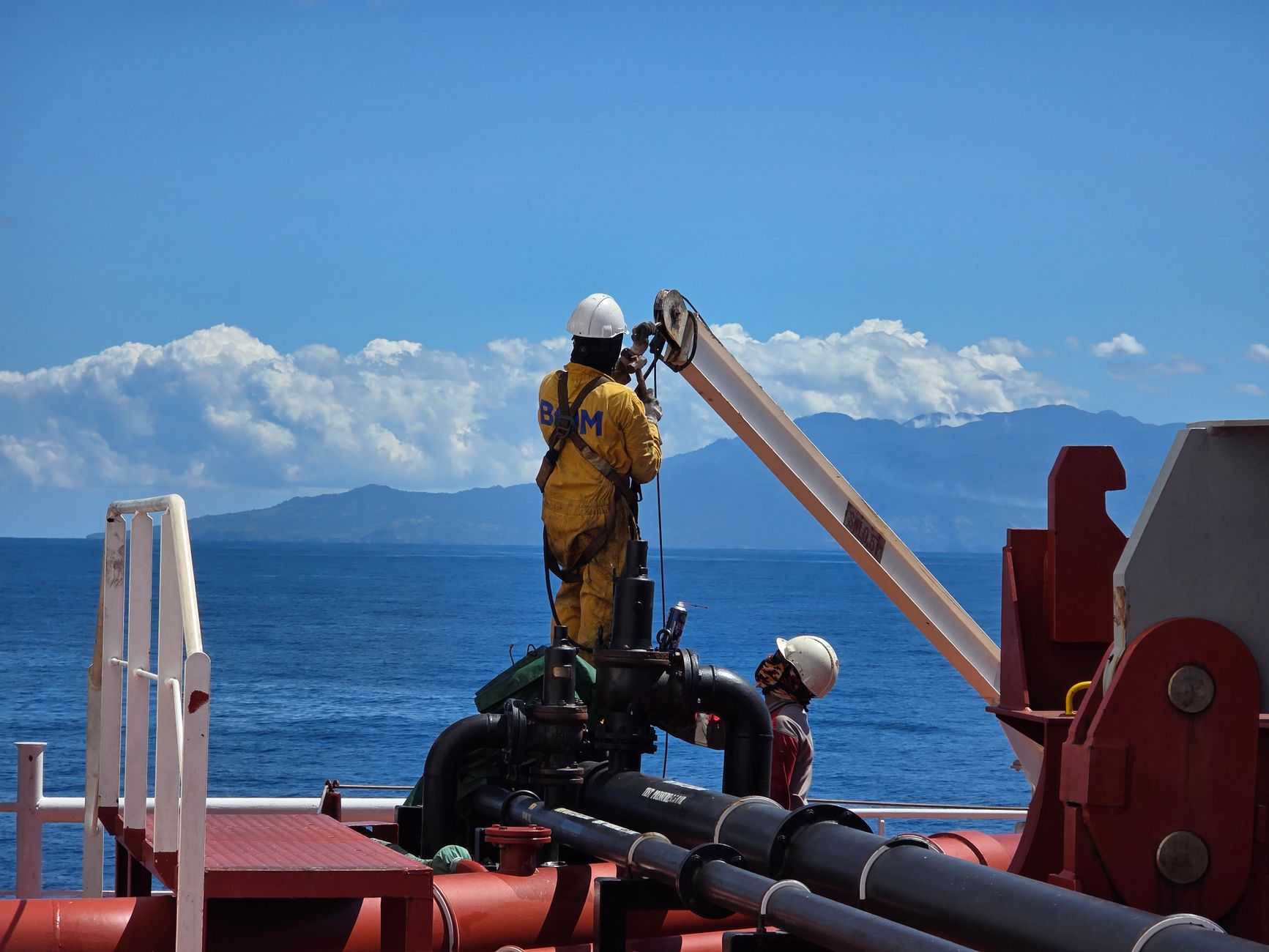
Oil and gas operations in Norway span from offshore platforms in the North Sea to onshore facilities in Stavanger, Bergen, and Trondheim. Accommodation placement affects daily commute times, helicopter transfer schedules, and overall project logistics.
Stavanger serves as Norway's energy capital, housing major operators and service companies. Workers based here require accommodation within reasonable distance of Sola Airport for offshore rotations. Bergen supports significant offshore activities and requires housing near helicopter bases and supply chain operations.
Duration Flexibility and Contract Terms
Energy projects operate on variable timelines influenced by weather windows, regulatory approvals, and market conditions. Rentaborg's corporate housing services provide lease terms built for projects: a first month extended month by month, each extension agreed in writing, with the notice period set out before signing.
Standard hotel accommodation becomes cost-prohibitive for assignments exceeding 30 days. Furnished apartments offer significant cost advantages while providing the space and amenities necessary for extended stays.
Safety and Security Standards
Worker accommodation must meet stringent safety requirements aligned with energy sector protocols. This includes secure entry systems, emergency evacuation procedures, and proximity to medical facilities. Properties require regular safety inspections and compliance with Norwegian building regulations.
Accommodation Types and Specifications
Furnished Corporate Apartments
One and two-bedroom furnished apartments accommodate individual workers and small project teams. Essential specifications include high-speed internet for remote operations management, kitchen facilities for meal preparation during off-shifts, and adequate storage for work equipment and personal belongings.
Properties include weekly housekeeping services, utility management, and maintenance support to minimize administrative burden on project managers and deployed personnel.
Shared Housing Solutions for Teams
Multi-bedroom properties support larger project teams while maintaining cost efficiency. Shared common areas facilitate team collaboration while private bedrooms ensure individual rest space. This arrangement proves particularly effective for exploration teams and construction crews working extended rotations.
Extended-Stay Apartments for Management Personnel
Senior project personnel and long-term assignments require enhanced accommodation specifications. Executive apartments provide dedicated office space, meeting areas, and premium amenities suitable for client entertainment and business operations.
Operational Benefits and Cost Management
Reduced Administrative Overhead
Corporate housing eliminates individual booking management, expense reconciliation, and accommodation-related HR issues. Single-point billing and centralized management reduce procurement workload and streamline project accounting.
Available properties across Europe through centralized platforms enable consistent accommodation standards across multiple project locations and international assignments.
Employee Satisfaction and Retention
Quality accommodation directly correlates with worker productivity and project completion rates. Comfortable living conditions reduce stress levels during challenging assignments and improve overall job satisfaction for rotating personnel.
Furnished apartments provide stability and comfort that temporary hotel arrangements cannot match for assignments exceeding 60 days. Workers report improved rest quality and work-life balance when provided with appropriate long-term accommodation.
Norway-Specific Accommodation Requirements
Climate and Seasonal Considerations
Norwegian weather conditions require heated properties with reliable utility systems throughout extended winter periods. Accommodation must include appropriate heating, insulation, and backup systems to ensure continuous habitability during extreme weather events.
Summer assignments benefit from properties with adequate natural light and outdoor access to maximize limited daylight hours in northern locations.
Regulatory Compliance and Tax Implications
Norwegian tax regulations affect accommodation allowances and employee benefit calculations. Corporate housing solutions structured appropriately can optimize tax efficiency while ensuring compliance with local employment laws.
Properties must meet Norwegian rental regulations and safety standards specific to temporary worker accommodation. Documentation requirements include lease agreements, insurance coverage, and emergency contact protocols.
Cultural Integration and Local Services
Successful long-term assignments require accommodation near essential services including grocery stores, medical facilities, and transportation hubs. Properties should facilitate integration with Norwegian communities while maintaining professional standards suitable for international personnel.
Flexible-stay apartments for workers in Scandinavia provide cultural orientation support and local service connections that enhance assignment success rates.
Procurement and Contract Management
Budget Planning and Cost Control
Corporate housing costs vary significantly based on location, duration, and specification requirements. Stavanger commands premium rates due to energy sector demand, while secondary locations offer cost advantages for appropriate project types.
Budget planning should account for seasonal rate variations, currency fluctuations, and potential contract extensions. Fixed-rate agreements provide cost certainty for multi-year projects.
Service Level Agreements
Accommodation contracts require clearly defined service levels including response times for maintenance issues, housekeeping schedules, and emergency support procedures. Performance metrics should align with operational requirements and worker safety protocols.
Contract terms must address project-specific requirements including security clearances, access restrictions, and equipment storage needs unique to energy sector operations.
Looking for corporate housing in Norway? Contact Rentaborg for a tailored proposal.