Understanding the Key Differences
Corporate teams on extended assignments face a critical accommodation decision: furnished apartments or serviced apartments for long stays. While both options provide essential furnishings and equipment, they differ significantly in service levels, flexibility, and cost structures that directly impact your project budget and team productivity.
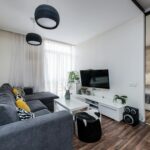
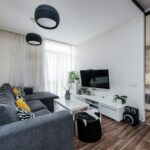
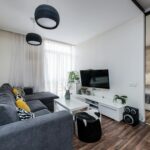
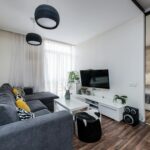
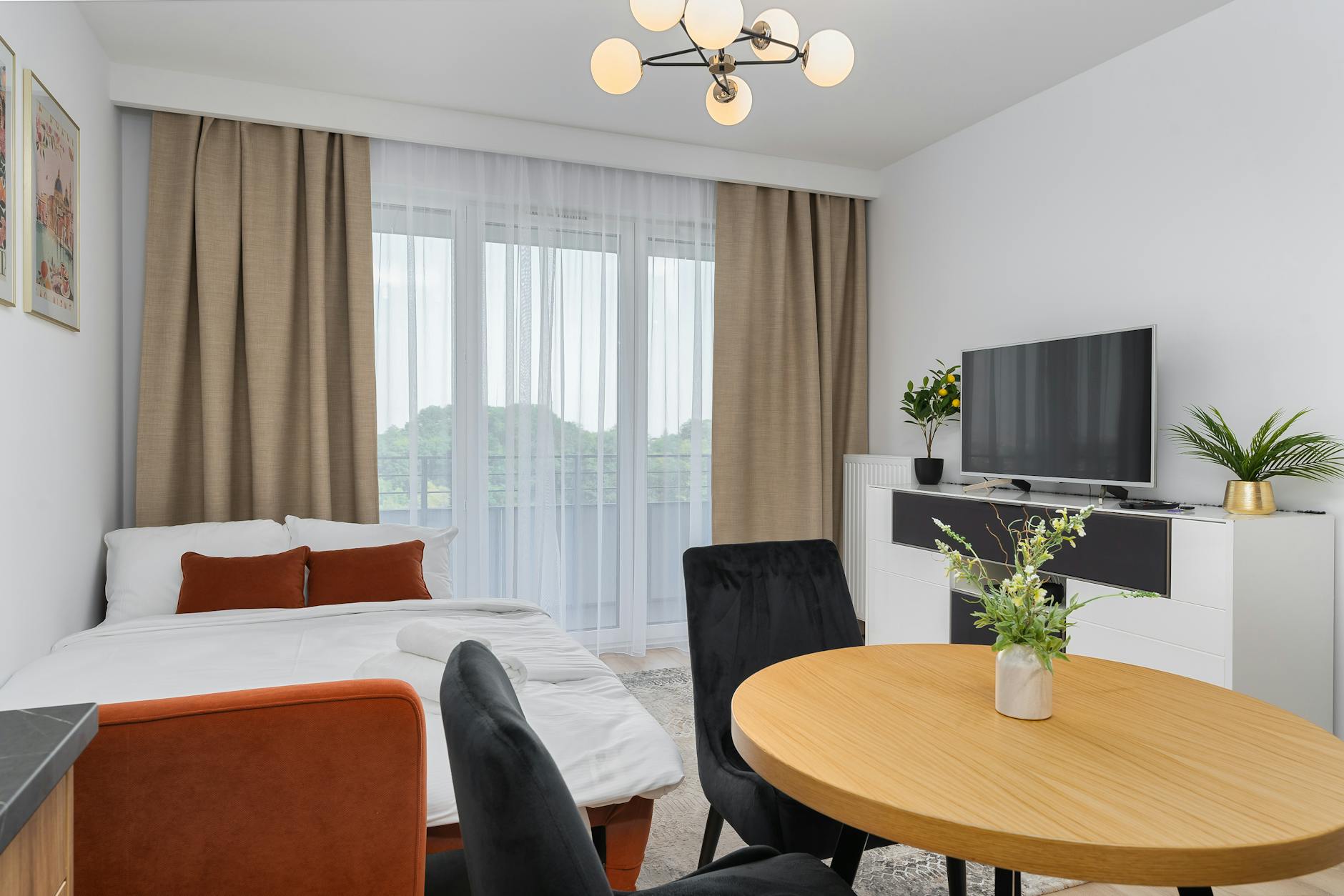
Furnished apartments typically offer basic furniture, appliances, and household essentials without additional services. Serviced apartments provide the same furnishings plus hotel-style services such as housekeeping, concierge support, and 24/7 maintenance assistance.
Service Level Analysis
Furnished Apartments: Essential Services Only
Furnished apartments focus on providing a complete living setup without ongoing service commitments. Your team receives fully equipped kitchens, comfortable sleeping arrangements, work areas, and basic utilities. Property management handles maintenance requests and emergency issues, but day-to-day services remain your team’s responsibility.
This arrangement works effectively for self-sufficient teams comfortable managing their own schedules, cleaning, and basic property maintenance. The reduced service overhead translates to lower monthly costs, making furnished apartments attractive for budget-conscious extended assignments.
Serviced Apartments: Comprehensive Support
Serviced apartments for business stays deliver hotel-standard services within apartment-style accommodations. Weekly housekeeping maintains professional living standards without team involvement. Concierge services handle package deliveries, local recommendations, and service provider coordination.
24/7 reception or emergency support ensures immediate assistance for technical issues, security concerns, or urgent requests. These services prove valuable for senior executives, international teams unfamiliar with local procedures, or assignments requiring maximum focus on core business objectives.
Cost Structure Comparison
Upfront Investment vs Ongoing Expenses
Furnished apartments typically require security deposits equivalent to one or two months’ rent, plus utility setup fees and insurance requirements. Monthly costs remain predictable, covering rent, utilities, and basic maintenance only.
Serviced apartments incorporate service costs into higher monthly rates but often eliminate separate utility bills, cleaning expenses, and service provider fees. The all-inclusive pricing model simplifies budget planning and expense reporting for corporate accounting departments.
Long-Term Value Assessment
For assignments extending beyond six months, furnished apartments generally offer superior cost efficiency. The initial setup investment amortizes across the extended stay period, while lower monthly rates compound savings significantly.
Assignments lasting three to six months often favor serviced apartments when factoring in team productivity gains from professional services and reduced administrative burden on your HR or facilities management teams.
Flexibility and Contract Terms
Lease Structure Differences
Furnished apartment providers typically require minimum six-month commitments with traditional lease terms. Contract modifications, early termination, or team size adjustments may involve penalty fees or complex renegotiation processes.
Serviced apartments offer greater flexibility with shorter minimum stays, easier modification procedures, and streamlined early departure options. This flexibility proves valuable for projects with uncertain timelines or potential scope changes.
Scalability Considerations
Expanding team size in furnished apartments often requires securing additional properties, potentially in different buildings or neighborhoods. This fragmentation complicates team coordination and may create uneven living standards.
Quality serviced apartment providers maintain multiple units within single developments, enabling team expansion within consistent facilities and shared common areas that support team cohesion.
Location and Availability Factors
Market Availability
Furnished apartments dominate residential markets across European business centers, offering extensive location choices near client offices, transportation hubs, and commercial districts. This abundance provides negotiation leverage and ensures suitable options match your specific geographic requirements.
Serviced apartments concentrate in prime business districts and diplomatic quarters but offer limited inventory in secondary markets or emerging business locations. Early booking becomes essential for preferred properties and optimal positioning.
Neighborhood Integration
Furnished apartments typically occupy residential buildings alongside permanent residents, providing authentic local living experiences and natural networking opportunities. Your team integrates into established neighborhoods with local shops, services, and community amenities.
Serviced apartments often create temporary resident environments with other business travelers, limiting local cultural immersion but facilitating professional networking with international colleagues.
Decision Framework for Corporate Housing
Team Profile Assessment
Self-directed teams with local market experience and flexible schedules benefit from furnished apartment independence and cost savings. Senior managers, technical specialists, and established European operations teams typically adapt quickly to minimal-service arrangements.
Executive teams, international assignments, or projects requiring intensive focus favor serviced apartment support structures. The professional services eliminate administrative distractions and ensure consistent living standards regardless of local market variations.
Assignment Duration Optimization
Short-term assignments under three months require serviced apartment convenience despite higher costs. Medium-term stays of three to six months benefit from case-by-case analysis considering team profile and service requirements. Extended assignments exceeding six months generally favor furnished apartments for optimal cost efficiency.
Integration with Corporate Housing Strategy
Rentaborg’s corporate housing services provide both furnished and serviced apartment options across European markets, enabling consistent standards and centralized account management regardless of accommodation type. This flexibility supports diverse assignment requirements while maintaining procurement efficiency and cost control.
Understanding how corporate housing compares to hotels further clarifies the value proposition for extended corporate assignments requiring apartment-style accommodations.
Making the Right Choice
The furnished versus serviced apartment decision ultimately depends on balancing cost control, team requirements, and operational efficiency priorities. Consider your team’s self-sufficiency levels, assignment duration, budget parameters, and desired service levels when evaluating available properties across Europe.
Both options deliver professional accommodations suitable for corporate assignments. The key lies in matching accommodation characteristics to your specific project requirements and team dynamics.
Looking for corporate housing in Europe? Contact Rentaborg for a tailored proposal.